Eco-Friendly Trash Removals: What Happens to Your Junk After Pickup?
When unwanted items leave a property, the process continues well beyond pickup. Modern waste handling focuses on separating materials, recovering usable resources, and reducing landfill dependency wherever possible. Eco-conscious approaches to trash removal rely on structured sorting systems and downstream processing that determine the final destination of each collected item.
Understanding what happens after pickup helps clarify how materials move through recycling networks, reuse channels, and disposal facilities. It also highlights why professional handling matters when managing large volumes of mixed waste from cleanouts, renovations, or property transitions.
Collecting and Transporting Waste Materials
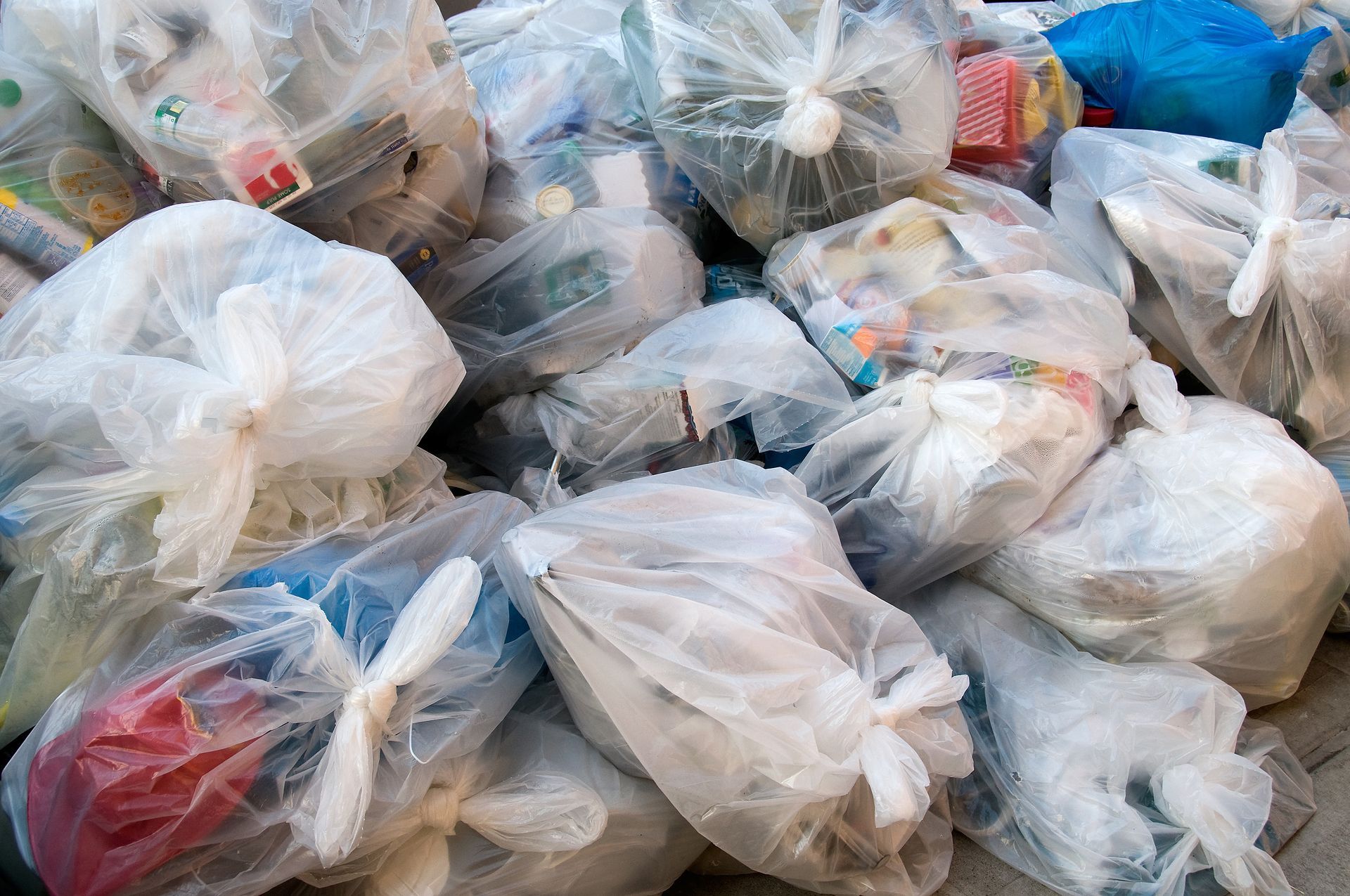
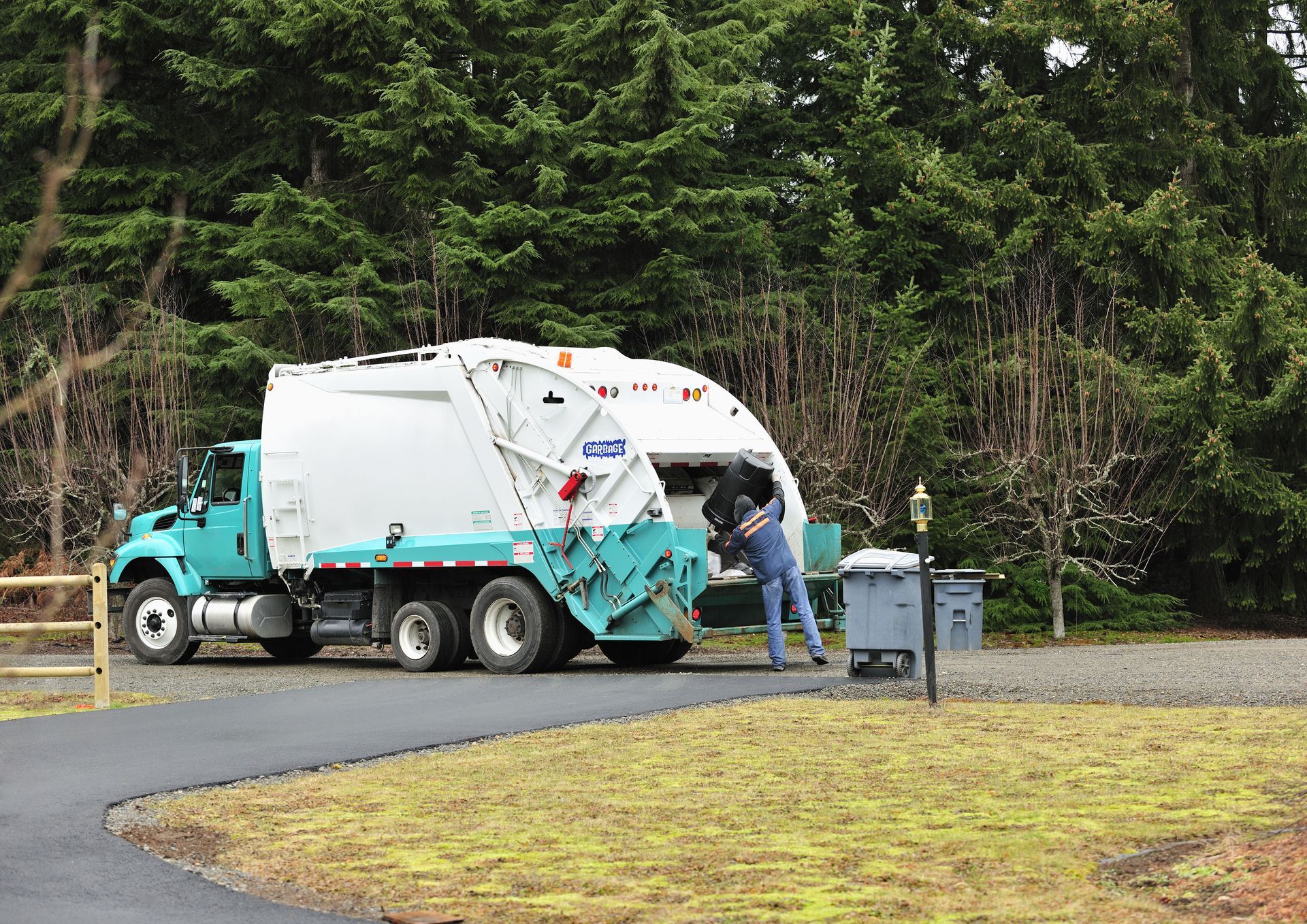
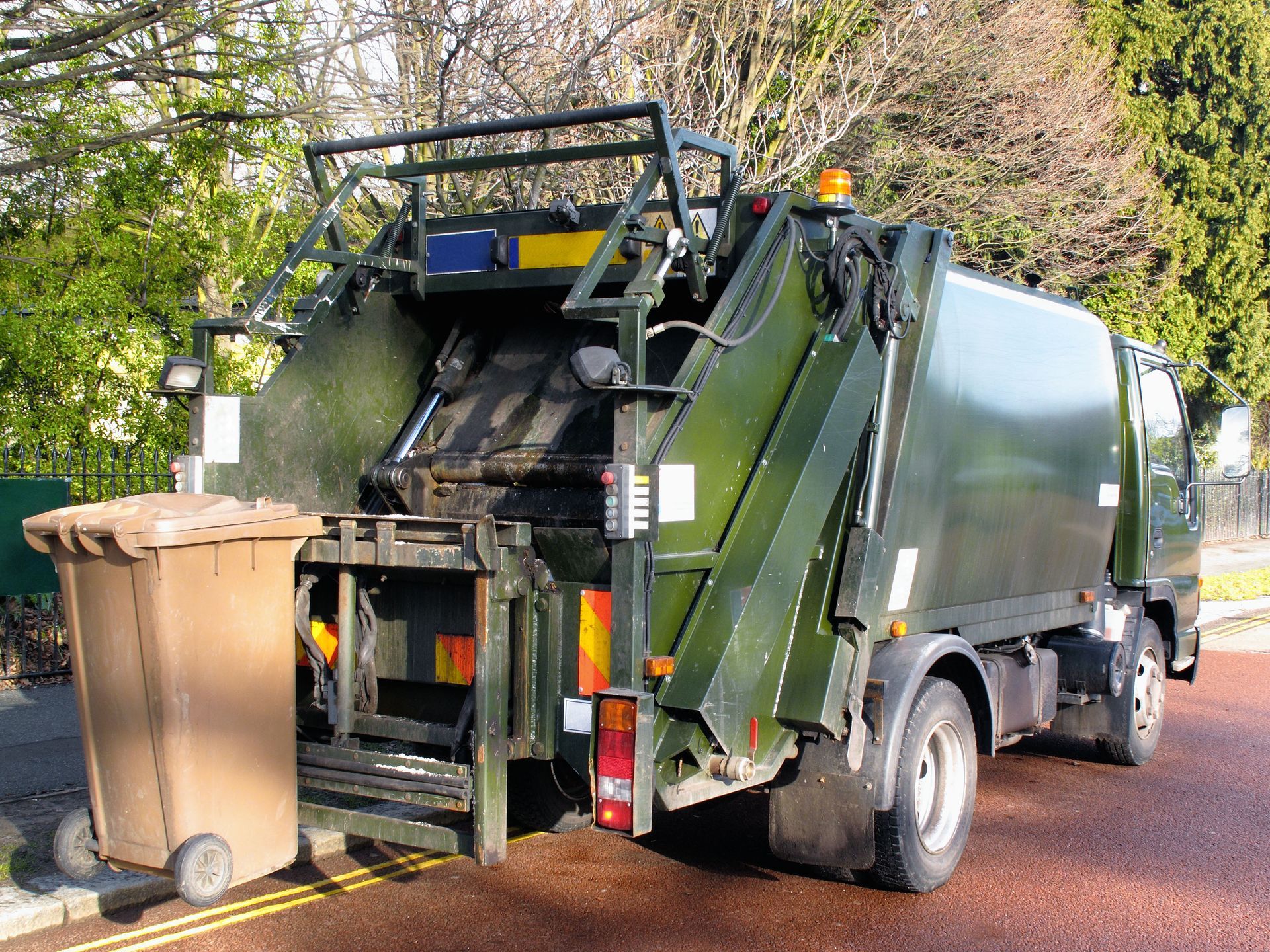
Once trash removals are completed, all collected materials are transported to a designated processing facility rather than going directly to a landfill. These locations act as intake hubs where loads are weighed, recorded, and staged for further handling. At this point, materials remain fully mixed, including furniture, packaging, and general debris. The primary purpose of transport is consolidation. By moving large volumes at once, the system reduces unnecessary trips and streamlines downstream processing. This stage sets the foundation for efficient separation and recovery in later phases of trash removal.
After arrival, materials are unloaded in controlled zones where initial checks begin. This early handling helps prepare items for more detailed sorting without delay. A second layer of handling often involves preliminary identification of oversized or hazardous components that require special routing. This early screening reduces disruptions during later processing stages and keeps material flow organized. This stage helps coordinate scheduling across multiple waste streams locally efficiently overall.
Sorting and Separating Recoverable Items
After intake, the next stage of trash removal focuses on separating materials into distinct categories. Sorting is performed using a combination of manual labor and mechanical systems designed to identify different material types based on weight, density, and composition. Common streams include metals, plastics, cardboard, wood, textiles, and electronic components. Items in usable condition may also be set aside for reuse pathways, while contaminated materials are separated for disposal.
This phase is critical because contamination can reduce recovery potential. Clean separation improves the efficiency of downstream recycling and helps maximize the amount of material diverted from landfill systems. A secondary sorting pass often occurs after initial separation. This refinement stage improves accuracy by removing residual contaminants and improving material purity before recycling or disposal. Advanced screening methods further reduce contamination and improve recovery outcomes.
Recycling and Reprocessing Materials
Recycling is a major outcome of eco-conscious trash removals. Once materials are sorted, they are sent to processing facilities where they are converted into raw inputs for manufacturing and production systems. Metals are melted and reshaped for reuse in industrial applications. Paper and cardboard are pulped and reformed into packaging materials. Certain plastics are processed into reusable pellets that support manufacturing supply chains. Electronics are dismantled to recover valuable components and manage hazardous elements safely.
The effectiveness of recycling depends heavily on material quality and prior separation accuracy during trash removals. Cleaner inputs generally result in higher recovery rates and more usable output materials. Additional processing steps may include shredding, compacting, or chemical treatment, depending on material type. These steps prepare recovered resources for reintegration into manufacturing systems. Recovered materials reenter production cycles, supporting long-term resource efficiency goals.
Redirecting Usable Items For Reuse Channels
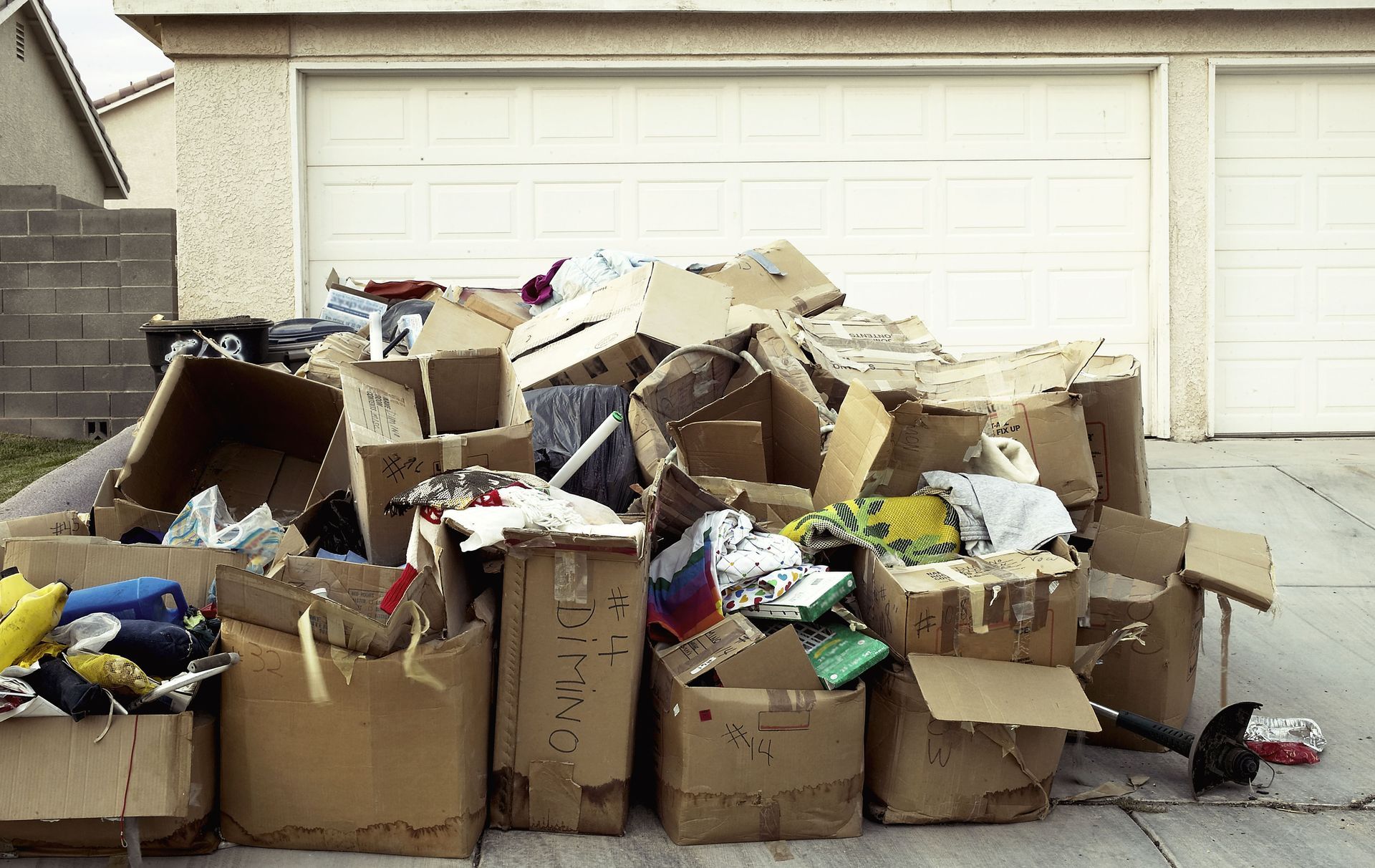
Not all items collected through trash removals require recycling or disposal. Materials in usable condition may be redirected into reuse channels where they can serve another purpose. Furniture, household goods, and functional equipment are often evaluated for continued use potential. When appropriate, these items are separated early in the process and routed accordingly.
This step extends the lifecycle of materials and reduces the need for new production. It also helps lower overall waste volumes entering recycling or disposal streams. Reuse pathways depend on condition, material integrity, and demand. Items that meet certain standards are prioritized for redistribution rather than breakdown. This approach extends material lifespan and reduces demand.
Disposing Of Non-Recoverable Waste Responsibly
Even with advanced sorting systems, a portion of materials from trash removals cannot be recovered. These items typically include heavily damaged goods, contaminated materials, or mixed composites that cannot be efficiently separated. Non-recoverable waste is transported to engineered landfill sites designed for controlled containment. These sites use layered protective systems to manage long-term environmental impact.
Disposal represents the final step after all recovery options have been exhausted. The goal is to minimize what reaches this stage through effective upstream sorting and diversion practices during trash removals. Ongoing monitoring at disposal sites helps regulate environmental conditions and maintain operational standards across waste systems. Ongoing oversight helps maintain controlled and compliant disposal conditions consistently.
Managing Environmental Impact Through Diversion Practices
A central objective of modern trash removals is reducing landfill reliance through diversion strategies. These strategies prioritize reuse and recycling before disposal, shifting as much material as possible into recovery streams. Diversion performance varies based on material type, contamination levels, and processing infrastructure. Metals and cardboard often achieve higher recovery outcomes, while mixed materials present greater challenges.
According to Resource Recycling, the overall recycling rate in the US is about 38.9%. Improving diversion outcomes depends on consistent sorting processes and coordinated handling across multiple stages of trash removal. Even small improvements in separation accuracy can significantly impact overall recovery rates.
Understanding The Broader Waste Stream System
The journey of trash removals is part of a larger waste management network that includes collection points, transfer stations, recycling centers, and disposal facilities. Each component plays a specific role in managing material flow after pickup. Transfer stations act as redistribution points that consolidate and redirect waste streams. Recycling centers focus on breaking down materials into reusable components, while disposal sites handle final waste that cannot be recovered.
These interconnected systems work together to process large volumes of waste efficiently. The structure allows materials to move through multiple recovery opportunities before reaching final disposal. Understanding this system helps clarify how trash removals fit into broader environmental and resource management frameworks.
Reducing Landfill Reliance Through Structured Processing
One of the main goals of modern trash removals is to reduce the amount of waste sent to landfills. This is achieved through structured sorting, recovery systems, and reuse pathways that prioritize material value. As sorting accuracy improves, more materials are redirected into recycling and reuse channels. This reduces strain on landfill capacity and supports more efficient resource cycles across industries.
While not all materials can be recovered, ongoing improvements in processing systems continue to shift more waste away from disposal. The effectiveness of trash removals is closely tied to how well these systems are integrated across facilities. Continued refinement of handling processes plays a key role in increasing diversion outcomes over time.
Reviewing The Removal Lifecycle
The lifecycle of trash removals includes multiple coordinated stages, from pickup and transport to sorting, recycling, reuse, and final disposal. Each stage contributes to how materials are ultimately processed and where they are directed. This structured flow allows usable materials to be recovered and recycled whenever possible, while only non-recoverable items reach landfill sites. The system is designed to prioritize resource efficiency and reduce unnecessary waste accumulation.
Eco-friendly trash removals rely on a structured lifecycle that prioritizes sorting, recovery, and responsible disposal after pickup. Each stage plays a role in determining how materials are handled and how much can be diverted from landfill systems.
For efficient handling of large or complex waste situations, working with Superior Waste & Recycling can help align trash removals with organized recovery-focused processes that support modern waste handling practices.
Share On: